

SEJournal Online is the digital news magazine of the Society of Environmental Journalists. Learn more about SEJournal Online, including submission, subscription and advertising information.
September 16, 2026
 |
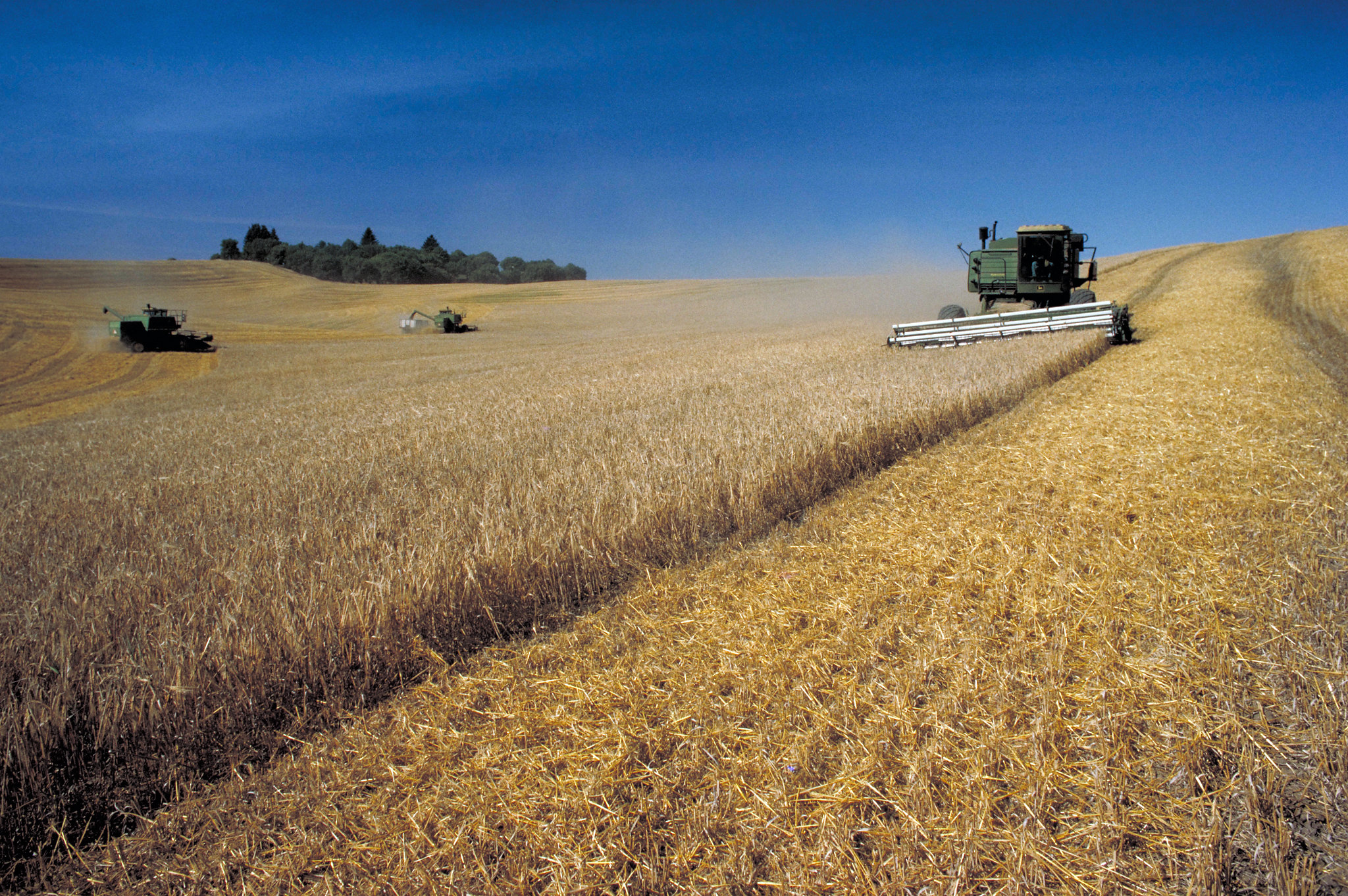 |
| Environmental and public health concerns abound in the Farm Bill, but the legislation is long overdue. Photo: Department of Agriculture via Flickr Creative Commons (United States government work). |
Backgrounder: Farm Bill Stuck in the Mud?
By Joseph A. Davis
This fall, lawmakers will struggle urgently again with the Farm Bill — and with its own brokenness. We will see whether the current Congress can actually work for all the American people.
For environmental journalists, the soil, water, air and food of real people, and the public health of Americans, is an important story. But today’s thin-margin tribal politics have locked up the Farm Bill for several years.
The legislation is long overdue. Traditionally, it has been renewed as an authorization bill every five calendar years. It was last due for action in September 2023.
The narrow partisan divisions
in this Congress have again
littered the path with obstacles.
Congress couldn’t agree — so it enacted several extensions, with the most recent one expiring this Sept. 30. The narrow partisan divisions in this Congress have again littered the path with obstacles. Now it’s show time … or is it “no” time?
Politics check traditional tradeoffs
The bill has long been a prime example of something-for-everyone politics. The farmers get safety nets and subsidies. Nonfarmers get food, safety and conservation. But that old formula for finding legislative deals has been blown up by today’s political weirdness.
The House has already passed its version of the Farm Bill back in April by a 224-200 vote. It was contentious, with most Dems voting nay.
The Senate Agriculture Committee tried to pass its own bill in August, but failed on a 10–11 vote. GOPers lacked the votes because Sens. Mitch McConnell and Tommy Tuberville were absent. The committee will try again in September.
One current fun fact is that many farmers are quite unhappy with Trump. Another is that farmers are still a big part of his base. That’s a problem not only for Trump voters but for Trump himself.
Even if he resolves his Iran war and Strait of Hormuz problem before the election (unlikely), farmers will not feel relief on the prices of diesel and fertilizer until afterward. More ethanol in gas may not do the job either.
And farmers are extremely angry about his possibly illegal deal to import mystery meat from South America, which would undercut their ability to sell their own beef.
What’s in it for the rest of us
The Farm Bill, in whatever version, of course contains money for farmers — big ag, as well as family farms — via commodity price supports and disaster relief, among other things. There’s also crop insurance, still the main source of federal payments to farmers. Money for rural high-speed internet may also be in there, along with money in other bills. Money for drought control and soil conservation also helps farmers. Also potential hikes in loan ceilings.
But it’s the other parts of the Farm Bill that affect the rest of us. This part feeds (or used to feed) millions of Americans, keeps fertilizer runoff out of the Gulf of Mexico and Lake Ontario, and helps farmworkers survive their often toxic jobs in the fields and orchards. It’s what environmental journalists will likely be focused on.
Here are some examples:
- Nutrition and food security: Billionaires eat when they want. But 1 in 7 U.S. families are food-insecure. That’s 47.9 million hungry neighbors. Historically, the Farm Bill has funded feeding programs like Supplemental Nutrition Assistance Program (formerly “food stamps”) and the Women, Infants and Children program. Past Farm Bills have passed because of this trade-off. GOP farmers get paid and get rid of surplus crops while needy Dem nonfarmers get needed surplus food. But not this year. Trump’s “Big Beautiful Bill” in 2015 slashed $186 billion from SNAP over 10 years. As long as GOPers have control, there is little chance of restoring any of it. The House bill would ease the pain by making states assume a share. The Senate bill would delay the sharing. It’s controversial.
- Land and water conservation: There is a Land and Water Conservation Fund (permanently authorized under separate law). It provides $900 million a year, taking money from gas and oil leasing revenues, with an additional $6 billion yearly for programs like the Conservation Reserve Program and the Environmental Quality Incentives Program. Hunters, fishers and environmental groups love this.
- Cooperative extension services: Nonfarmers love this program, as do farmers, who are helped with reliable info about growing crops. But it assists home gardeners and local community gardeners, too, to kill bugs without chemicals. Most counties have a co-op extension office — usually a joint effort with colleges or universities.
- Rural water supply and pollution: Because of climate change, there is drought going on across much of the United States. The aquifers that farmers irrigate their crops with and drink from are going dry from overpumping. Both the House and Senate bills continue to authorize money for testing and treatment, and for supplying water for small systems. Such measures may help address the worsening nitrate pollution (from fertilizer) that is alarming the Midwest.
- Pesticides and chemical pollution: The Farm Bill may include pesticide provisions — even though most regulations happen under other laws, like the Federal Insecticide, Fungicide and Rodenticide Act. This year’s legislative effort includes a controversy over whether states are allowed to set rules stricter than those of the U.S. Environmental Protection Agency. The House stripped the state and local preemptions out of its bill. The Senate has not yet done so. This is important for farmworkers and people who live and go to school near farmland.
- Rural internet: The people who live in rural areas are not all farmers, but many lack broadband internet, simply because they live in remote places. The rural internet subsidy program is called ReConnect. Both House and Senate bills aim to make this pilot program permanent. The House would give it $350 million and the Senate only $100 million. The chambers differ over details like speed standards.
- Animal cruelty: Laws to protect farm animals are already on the books. But California’s law, Proposition 12, goes farther than others — for example, outlawing tight pregnancy crates for sows. The House-passed bill prohibited states from enacting such laws (the “Save Our Bacon Act”). The Senate bill does not.
The beginning or the end?
We have no idea whether Congress will pass a Farm Bill before a new Congress is sworn in next January. Place your bets.
One hint may come from the fact that Congress is not in session as this is written. As the November midterm elections approach, desperation and chaos are sure to set in.
One key reason Congress is less often in session these days is to prevent the other party from passing things. Whatever things (which may be unrelated to the Farm Bill). Gratuitous opinion: This is no way to run a legislature.
But if by any chance Democrats capture either chamber in November, GOPers may well start acting and quacking like lame ducks. It may also mean Dems lose most motivation to make a deal.
[Editor’s Note: For more on covering agriculture as an environmental story, see our Topic on the Beat: Agriculture page, with additional agriculture stories from SEJournal and agriculture headlines from EJToday.]
Joseph A. Davis is a freelance writer/editor in Washington, D.C. who has been writing about the environment since 1976. He writes SEJournal Online's TipSheet, Reporter's Toolbox and Issue Backgrounder, and curates SEJ's weekday news headlines service EJToday and @EJTodayNews. Davis also directs SEJ's Freedom of Information Project and writes the WatchDog opinion column.
* From the weekly news magazine SEJournal Online, Vol. 11, No. 32. Content from each new issue of SEJournal Online is available to the public via the SEJournal Online main page. Subscribe to the e-newsletter here. And see past issues of the SEJournal archived here.
SEJ Publication Types:
Topics on the Beat:
Region:
Visibility: